
Introduction to Lydenburg
History
Lydenburg was established in 1849 by Voortrekker settlers under the leadership of Andries Potgieter. Its name, “Lydenburg” (“Town of Suffering”), reflects the early hardships faced by its founders. Before colonial settlement, the area was home to Khoe-San hunter-gatherers, as evidenced by ancient rock paintings. The discovery of the Lydenburg Heads, terracotta sculptures from around AD 500, highlights the region’s role in the African Iron Age. In the mid-19th century, Lydenburg briefly served as the capital of the Lydenburg Republic before merging with the Zuid Afrikaanse Republiek (ZAR). The 1873 discovery of gold in nearby Pilgrim’s Rest further cemented its historical significance.
Geography
Situated in the Mpumalanga Drakensberg, Lydenburg lies on the escarpment between the highveld and lowveld regions. The area is characterized by its lush grasslands, rivers, and scenic mountain passes, such as the Long Tom Pass, which offers stunning vistas and historical landmarks.
Tourism
Lydenburg is a gateway to popular attractions such as the Panorama Route and Kruger National Park. Local highlights include the Lydenburg Museum, showcasing the Lydenburg Heads, and the Sterkspruit Nature Reserve. Adventure tourism, including fly-fishing and hiking, is a significant draw.
Mining
The town is a mining hub, with chrome and platinum mining being key industries. These activities contribute substantially to the local economy, providing employment and infrastructure development.
Agriculture
Agriculture plays a vital role in Lydenburg’s economy. The region’s fertile soil supports the cultivation of crops like maize and vegetables, as well as livestock farming. Citrus farming and forestry also contribute to the agricultural landscape.
Other Industries
In addition to mining and agriculture, Lydenburg has growing renewable energy and manufacturing sectors. Small businesses and retail outlets further support the local economy.
Demographics
As of the 2011 census, Lydenburg had a population of approximately 37,258. The community is diverse, with Northern Sotho, Afrikaans, Swazi, and Zulu being the predominant languages. The town’s multicultural demographic is a reflection of its historical and economic development.
Politics and Governance
Lydenburg is part of the Thaba Chweu Local Municipality, under the Mpumalanga Provincial Government. Governance focuses on addressing infrastructure challenges and improving service delivery. Recent plans include the construction of a new hospital to replace the aging Lydenburg Hospital.
Economy
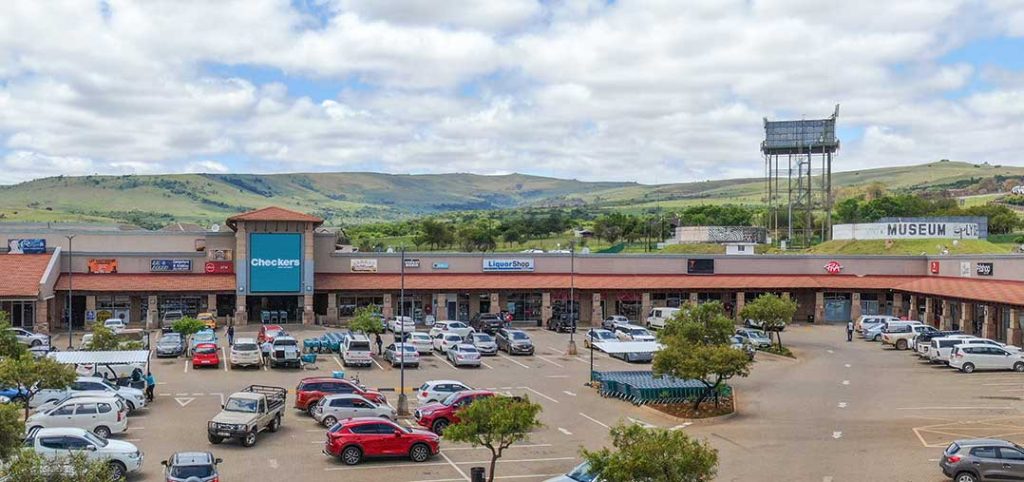
The local economy is driven by mining, agriculture, and tourism. Efforts to diversify include investments in renewable energy and small business development. Infrastructure projects and the promotion of local tourism are seen as key to sustainable growth.
Conclusion
Lydenburg, or Mashishing, is a town that balances its historical significance with modern economic ambitions. From its ancient artifacts to its vibrant industries, the town continues to be a cornerstone of cultural and economic activity in Mpumalanga. Its strategic location and resource-rich environment ensure that it remains a pivotal player in South Africa’s growth story.

